2 min read
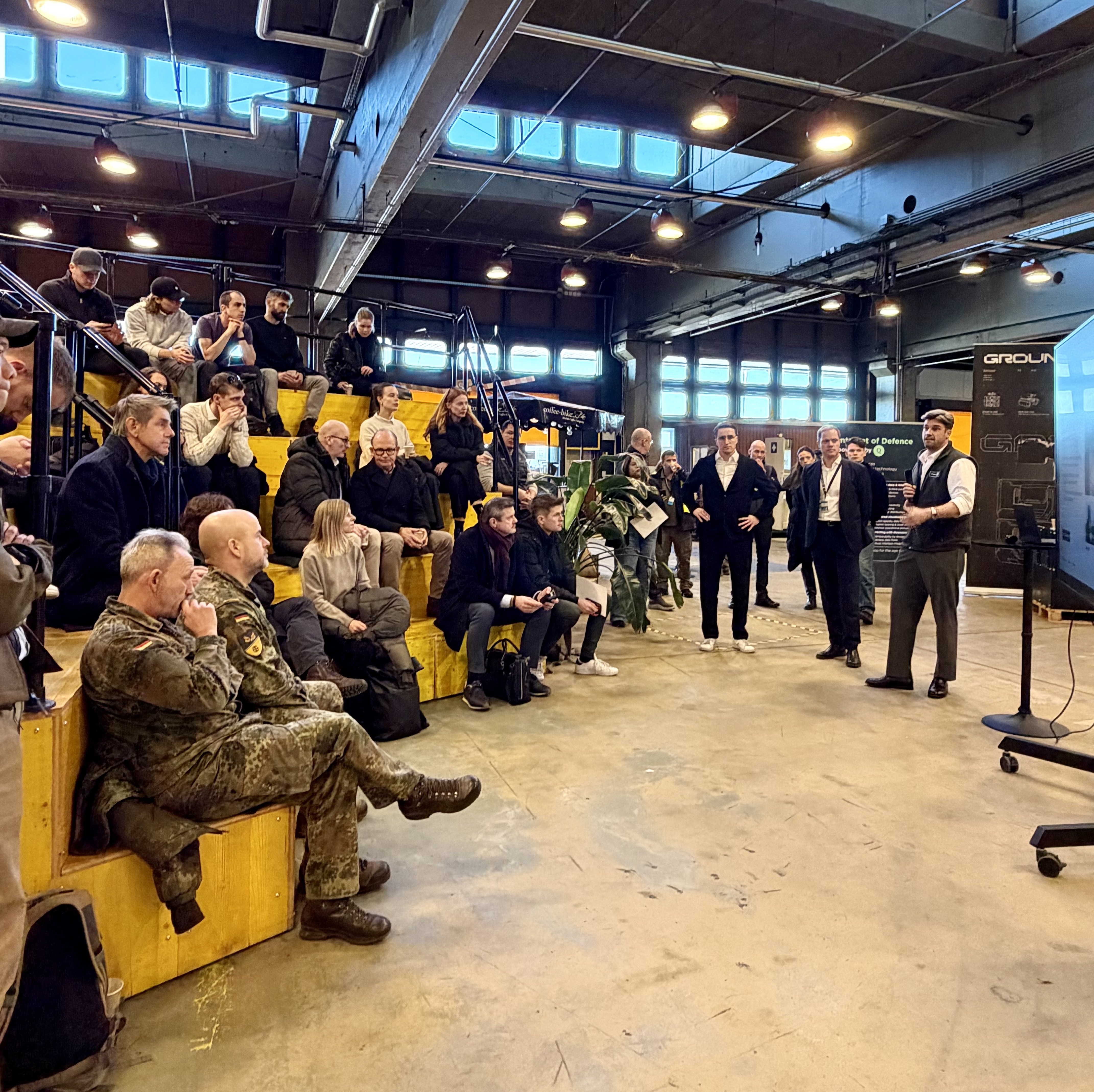
On 5 November, Project Q, Ground A and Twentyfour Industries demonstrated live how counter-drone systems from different manufacturers can be brought together in one common operational picture.
Armed forces, police and operators of critical infrastructure rely on sensors and defence systems from many manufacturers. These systems often use their own interfaces and do not exchange data with one another. “Armed forces and operators shouldn’t have to choose their systems based on whether they can talk to each other,” says Leonard Wessendorff, Co-founder and CEO of Project Q. "They should be able to build their own system-of-systems by integrating best-in-class capabilities.” Today, every new combination of systems requires integration work, and in an actual incident, time is lost at exactly these handovers.
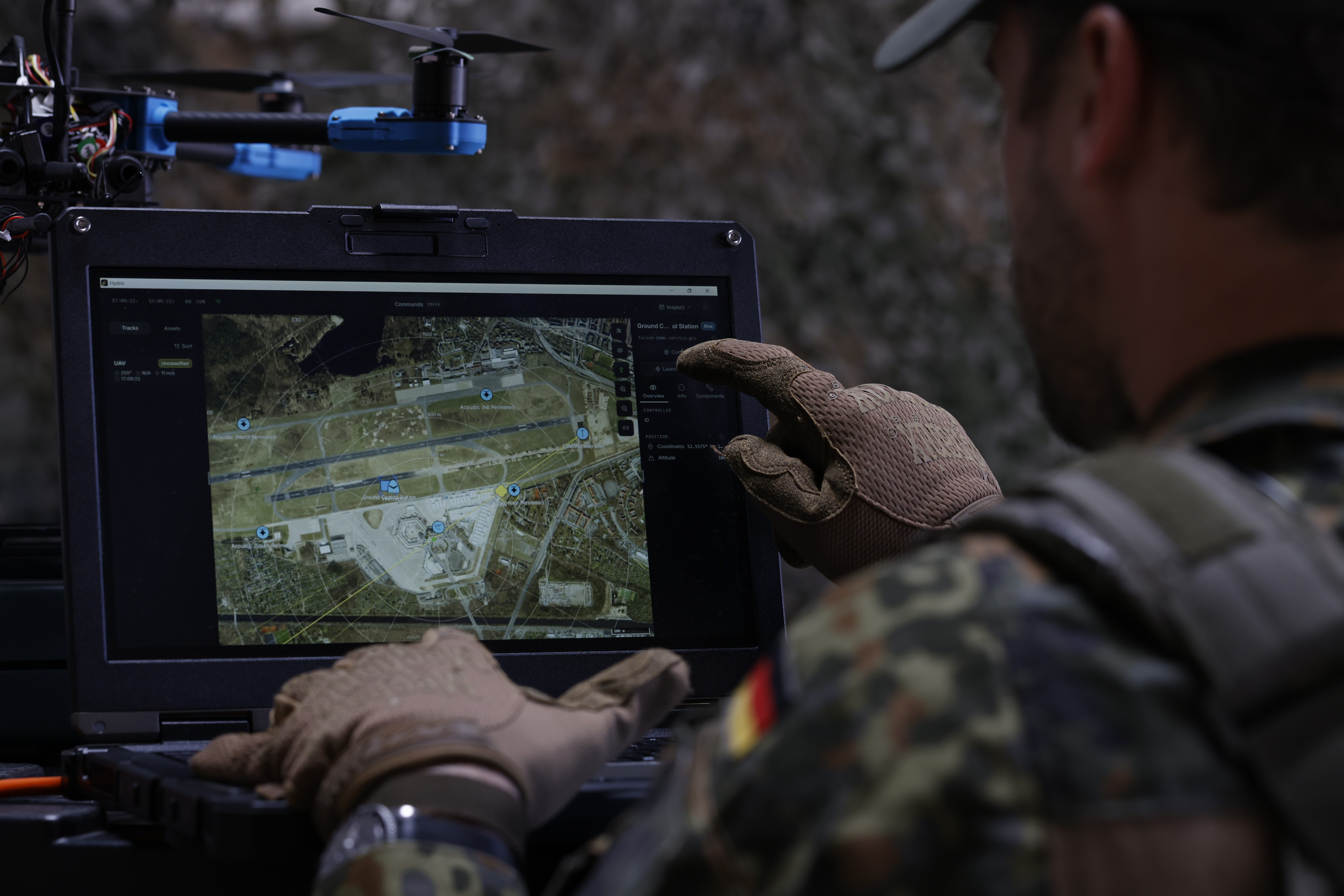
At the centre of the demonstration was HYDRIS, the integration & orchestration platform developed by Project Q. HYDRIS connects sensors, effectors and data systems from different vendors into a common operational picture (COP), independent of manufacturer. In the demonstration, it brought together a partner’s radar, Ground A’s GA 1000 laser system and an interceptor drone from Twentyfour Industries.
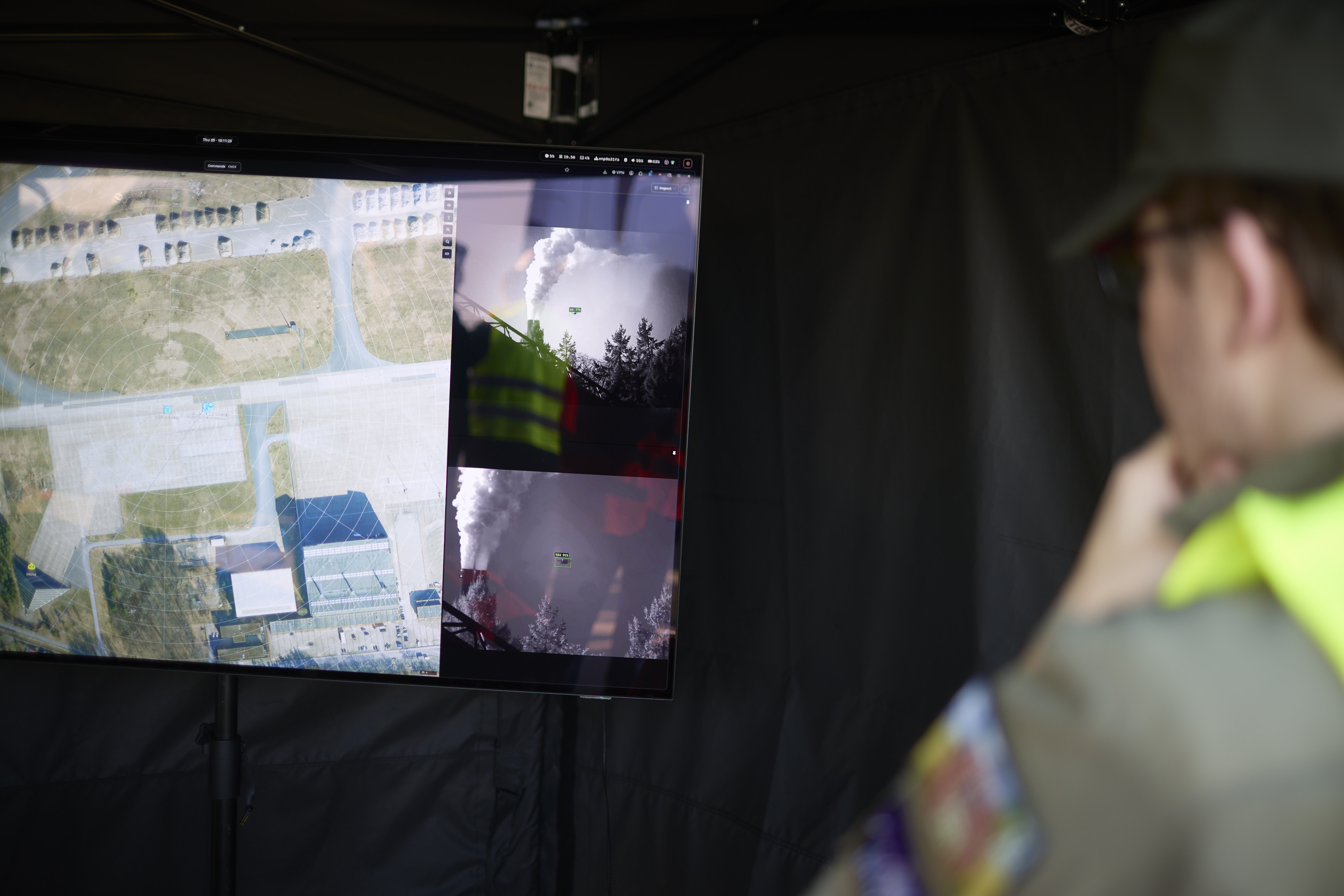
Scenario 1 - Laser Engagement: A partner radar detected an incoming drone. HYDRIS displayed the track, cued Ground A’s GA 1000 laser for targeting, and integrated its live video feed into the same operational picture.
Scenario 2 - Live Interception: HYDRIS combined the hostile drone's radar track and the friendly interceptor track in one picture, together with the interceptor’s live video, enabling operators to track and monitor the interception live.
For Leonard Wessendorff, the demonstration points beyond the day itself: “What we showed on Thursday shouldn’t be the exception. Whichever system is best for the job should be the one that gets connected.”
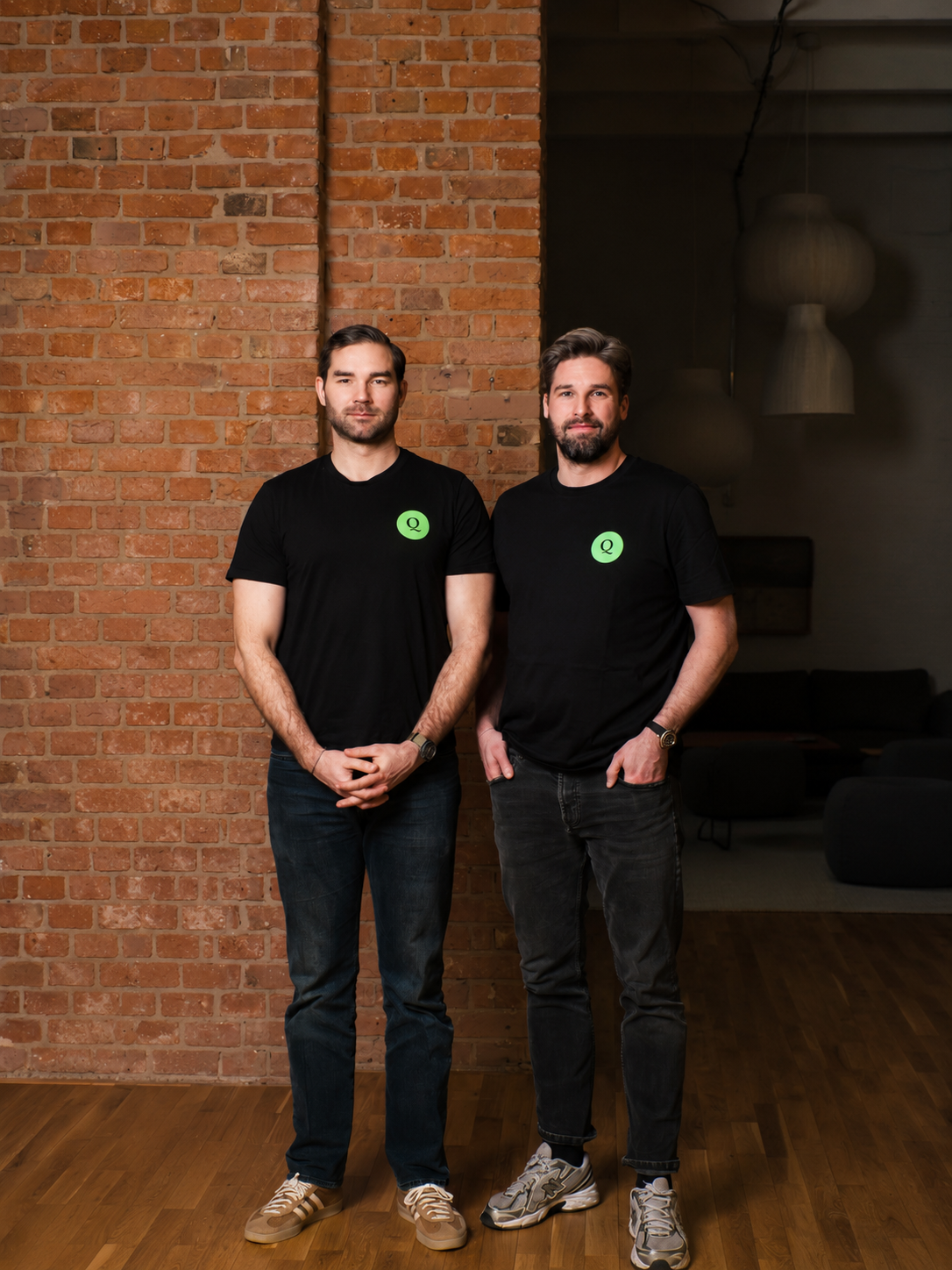
Copyright Picture: Jan Pauls

Q Newsroom
- News
- Nov 5, 2026
Lorem ipsum dolor sit amet, consectetur adipiscing elit. Suspendisse varius enim in eros elementum tristique. Duis cursus, mi quis viverra ornare, eros dolor interdum nulla, ut commodo diam libero vitae erat. Aenean faucibus nibh et justo cursus id rutrum lorem imperdiet. Nunc ut sem vitae risus tristique posuere.
- News
- Oct 19, 2026
Lorem ipsum dolor sit amet, consectetur adipiscing elit. Suspendisse varius enim in eros elementum tristique. Duis cursus, mi quis viverra ornare, eros dolor interdum nulla, ut commodo diam libero vitae erat. Aenean faucibus nibh et justo cursus id rutrum lorem imperdiet. Nunc ut sem vitae risus tristique posuere.
- News
- Jul 14, 2026
Lorem ipsum dolor sit amet, consectetur adipiscing elit. Suspendisse varius enim in eros elementum tristique. Duis cursus, mi quis viverra ornare, eros dolor interdum nulla, ut commodo diam libero vitae erat. Aenean faucibus nibh et justo cursus id rutrum lorem imperdiet. Nunc ut sem vitae risus tristique posuere.
- News
- Jul 9, 2026
Lorem ipsum dolor sit amet, consectetur adipiscing elit. Suspendisse varius enim in eros elementum tristique. Duis cursus, mi quis viverra ornare, eros dolor interdum nulla, ut commodo diam libero vitae erat. Aenean faucibus nibh et justo cursus id rutrum lorem imperdiet. Nunc ut sem vitae risus tristique posuere.