
- Exercise
- Jun 24, 2026
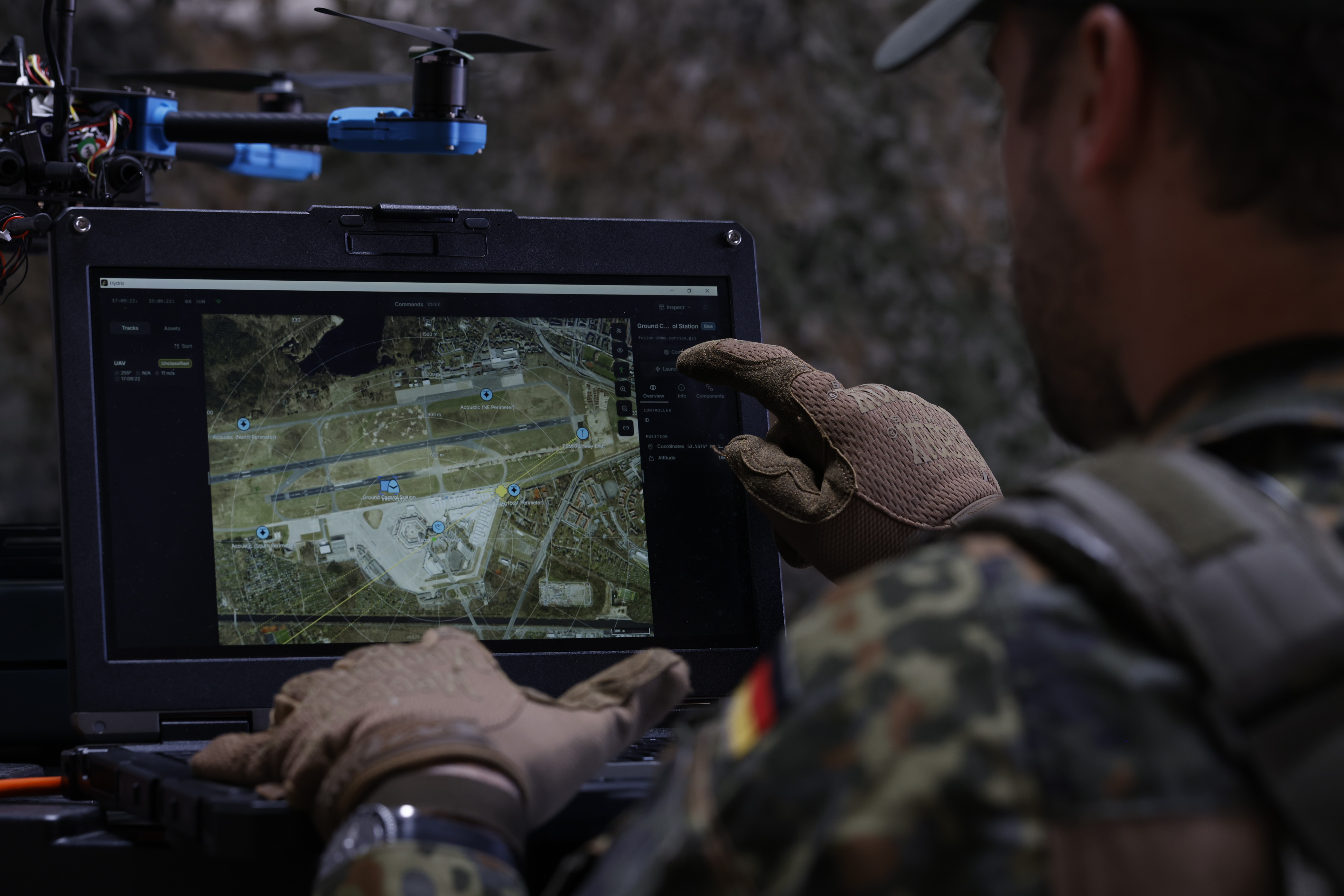
At NATO CWIX 2026, Project Q and the German Armed Forces were selected as an Innovation Spotlight, validating the integration of legacy CBRN sensors into an end-to-end sensor-to-decider chain for greater interoperability and faster decision-making.


- Product
- Jun 15, 2026
Project Q unveiled its passive UGS Mission Kit at EUROSATORY 2026. The AI-enabled seismic-acoustic sensor network provides scalable, low-signature surveillance for the early detection of drones, vehicles, and personnel, and integrates seamlessly into existing C2 systems via Hydris.


- Press
- Jan 6, 2026
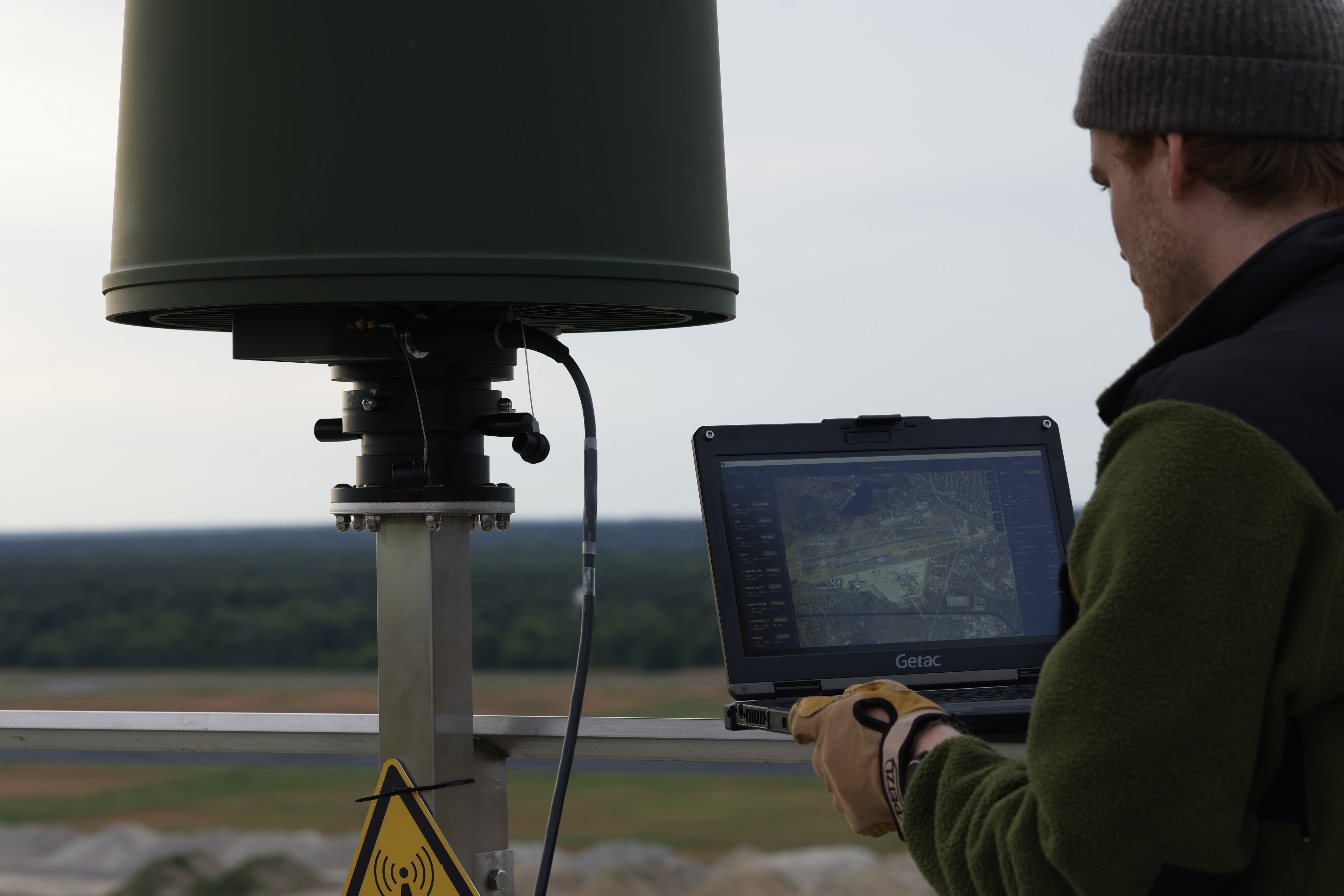
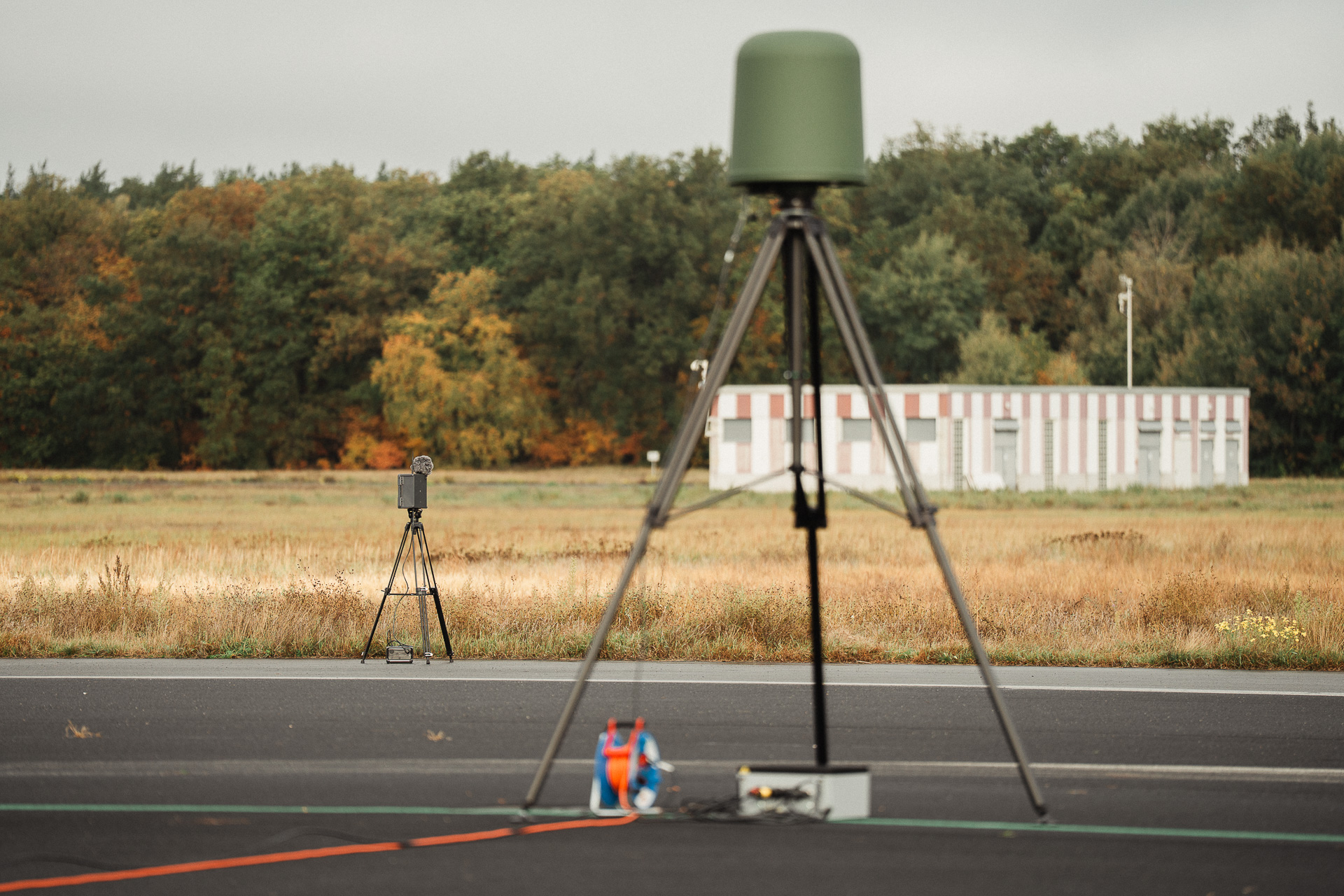
Frankfurter Allgemeine Zeitung (FAZ) profiles Project Q as part of a new generation of European defence technology companies and highlights the company's test bed at Berlin Tegel for the monitoring of the lower airspace.
- Press
- Jul 28, 2025
The Business Insider article describes how Project Q has raised €7.5 million in Seed funding to further scale its defence technology platform and expand its team. The financing round supports Project Q’s mission to transform commercial off-the-shelf (COTS) technologies into scalable, interoperable, and mission-ready capabilities for European defence and security applications.